Optimal Timing for Yard Watering Installations
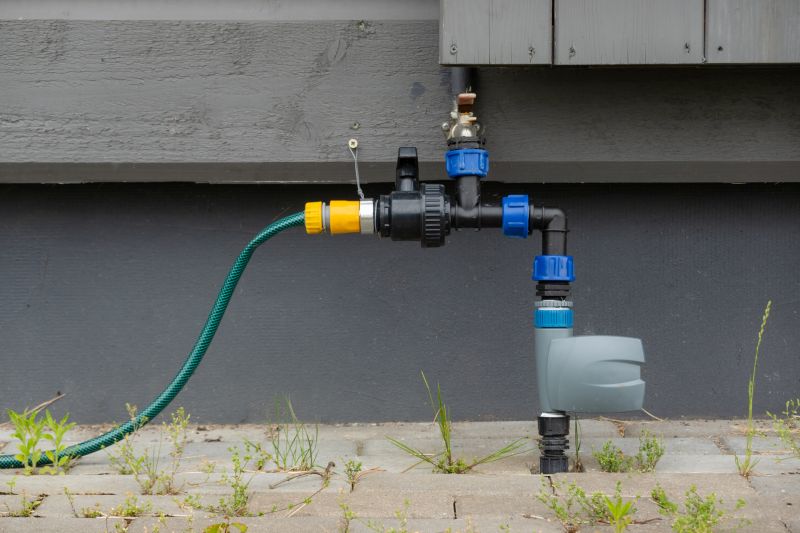
Spring is ideal for yard watering installations due to moderate temperatures and increased soil moisture.
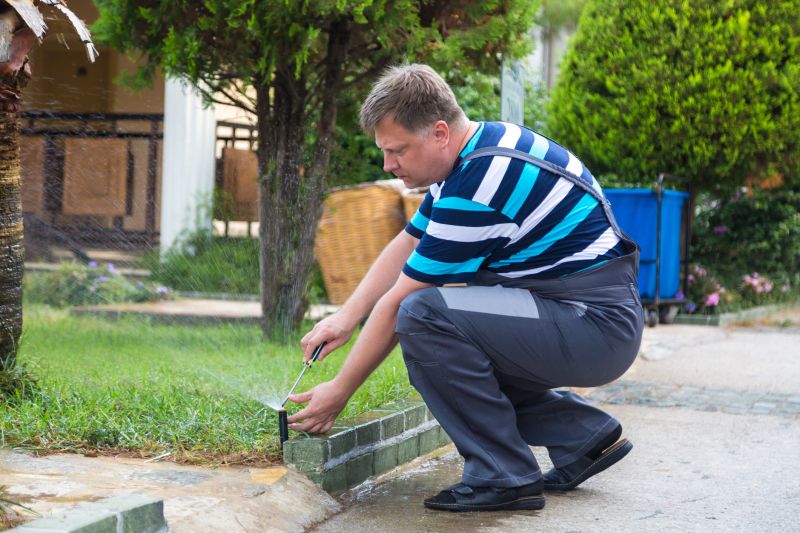
Installing in early summer allows for adjustments before peak watering needs begin.
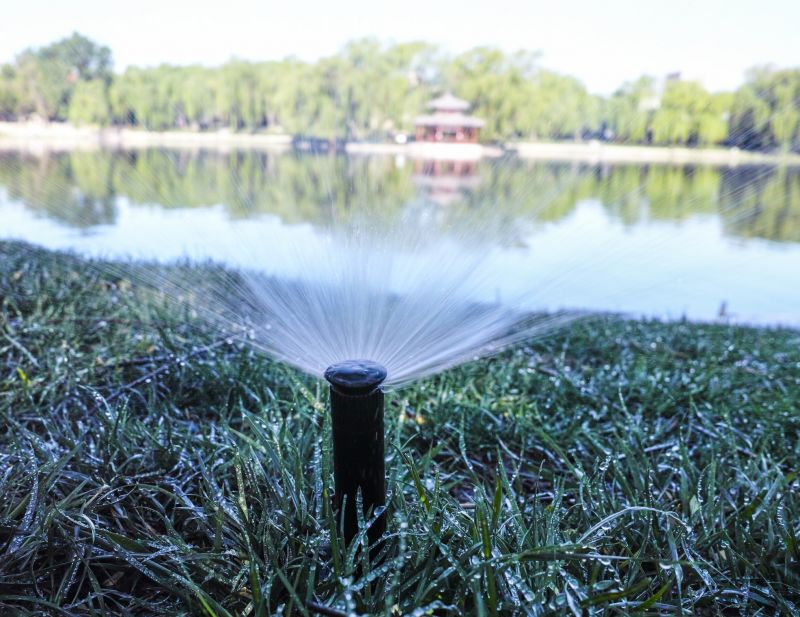
Fall provides a cooler climate, making installation easier and less disruptive.
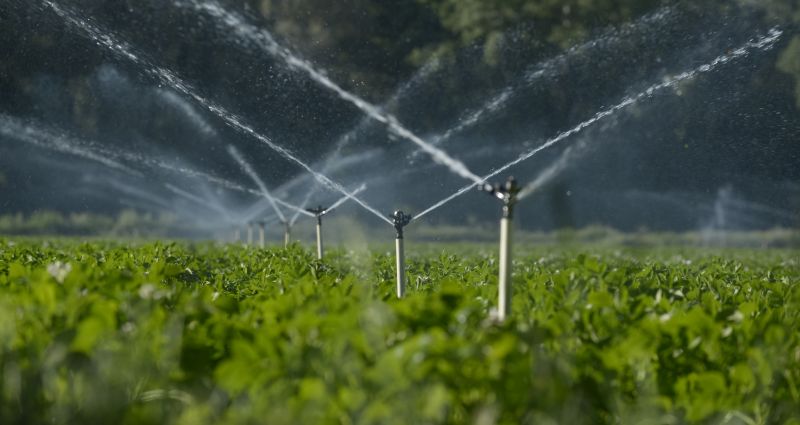
Ways to make Yard Watering Installations work in tight or awkward layouts.
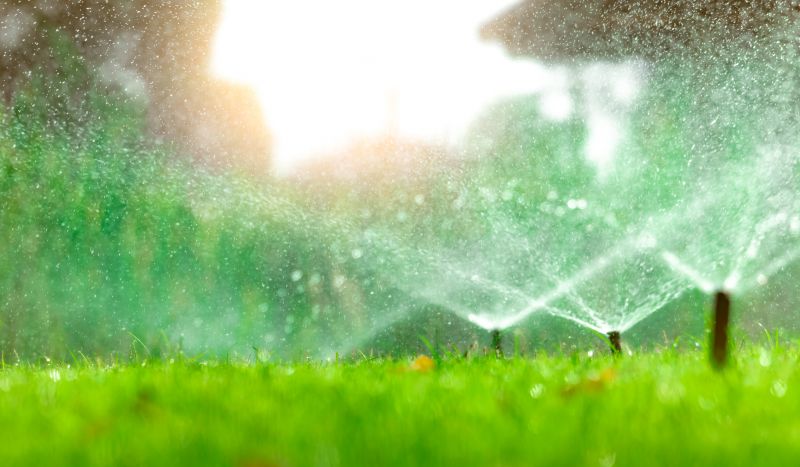
Popular materials for Yard Watering Installations and why they hold up over time.
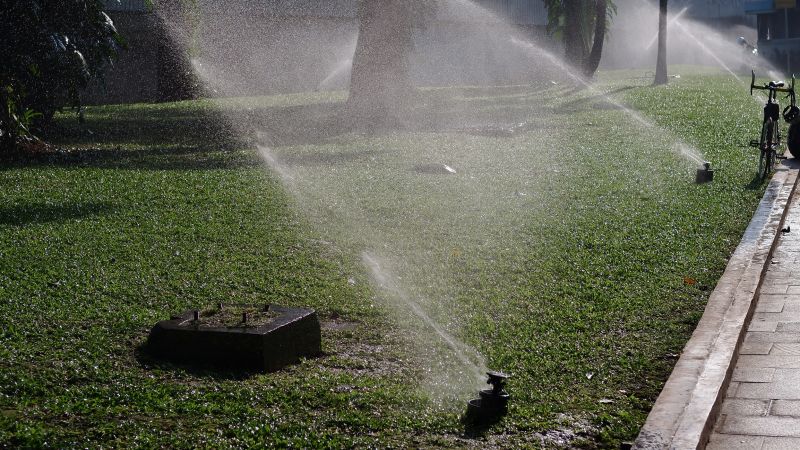
Simple add-ons that improve Yard Watering Installations without blowing the budget.
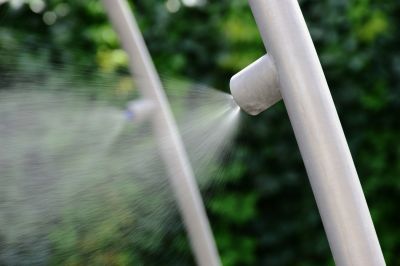
High-end options that actually feel worth it for Yard Watering Installations.
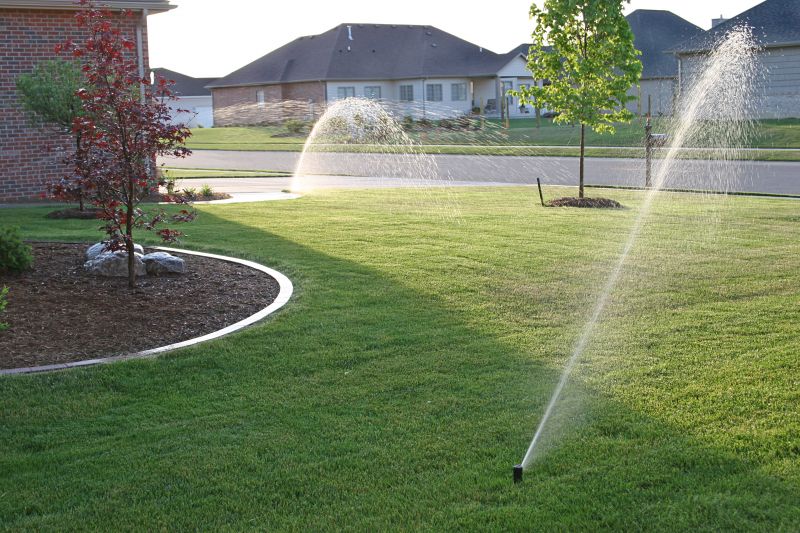
Finishes and colors that play nicely with Yard Watering Installations.
Yard watering installations involve the setup of systems designed to efficiently irrigate lawns, gardens, and landscapes. Proper timing ensures optimal system performance, minimizes disruption, and aligns with seasonal weather patterns. Installing irrigation systems during favorable weather conditions reduces the risk of system damage and allows for thorough testing before peak watering periods.
Statistics show that installation during spring or fall can extend the lifespan of irrigation components and improve water distribution efficiency. Spring installation benefits from moderate weather, reducing the risk of heat stress on equipment, while fall installation allows for adjustments before the summer drought season. Planning installations during these periods can lead to cost savings and more effective watering schedules.
Allows for system setup during mild weather with less stress on equipment.
Provides time for adjustments before the summer watering season begins.
Suitable for urgent setups, but requires heat management and careful scheduling.
Typically not recommended due to cold weather and frozen ground.
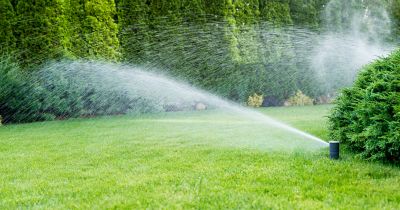
Sprinklers, valves, piping, and controllers.
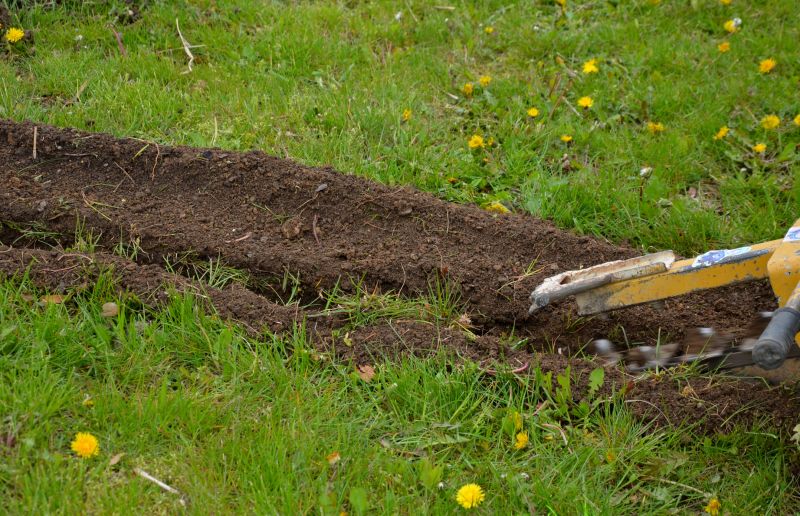
Trenches, connectors, and testing tools.
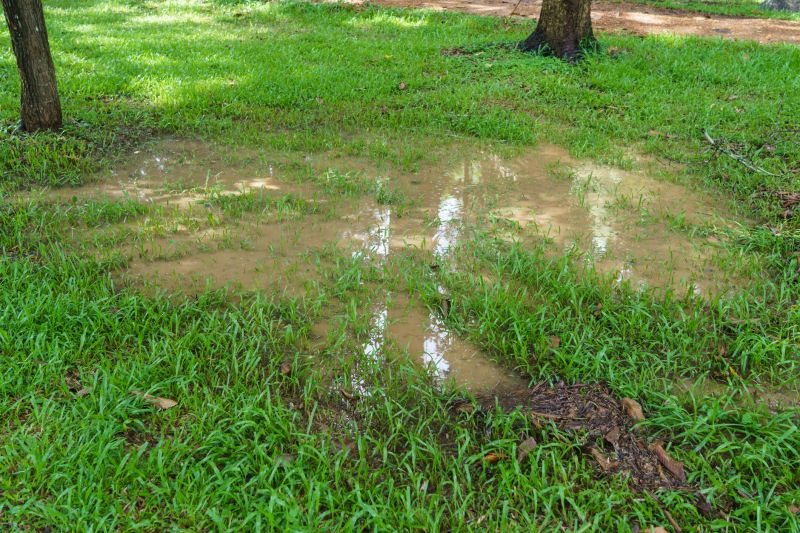
Clearing and marking areas for installation.
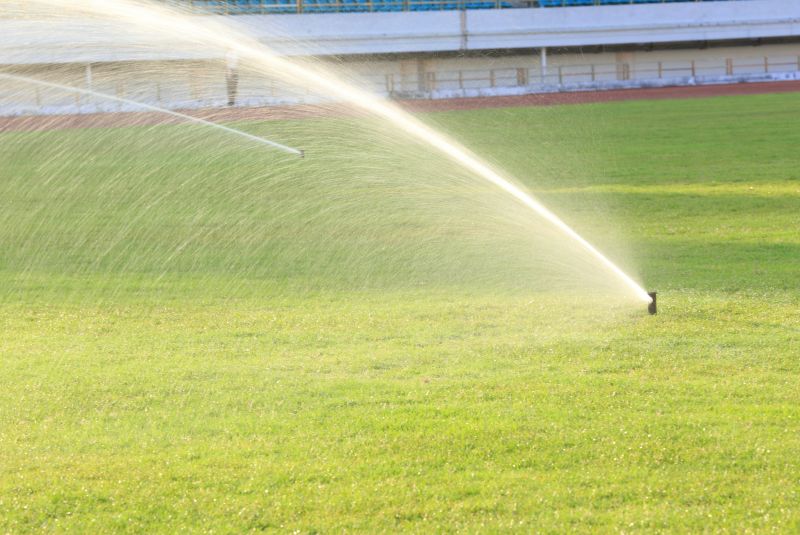
Installing before peak watering needs.
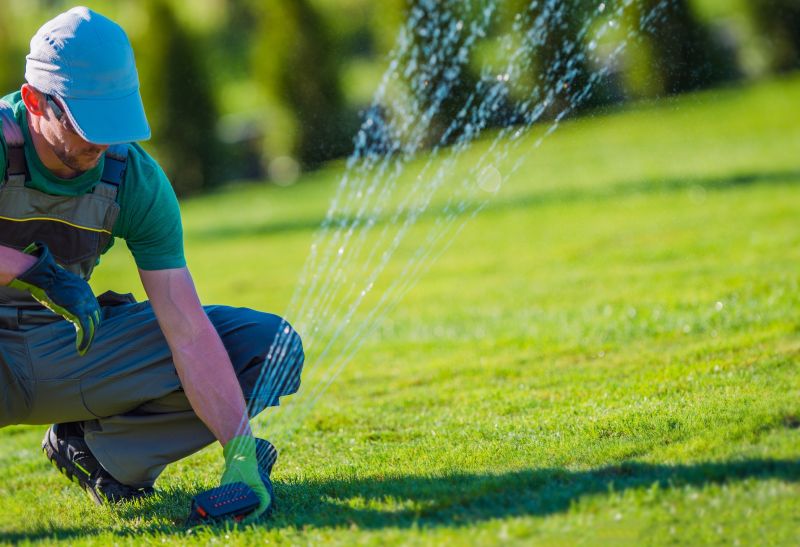
Fine-tuning systems before winter.
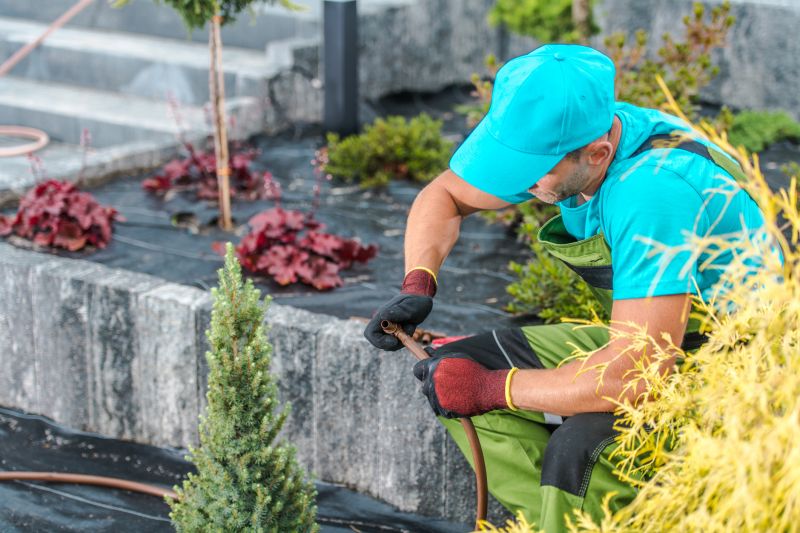
Ensuring system efficiency during high demand.
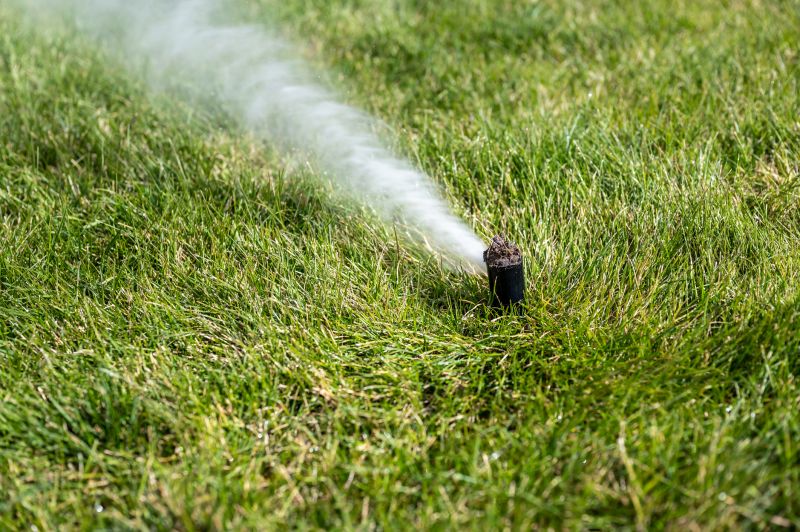
Proper winterization techniques.
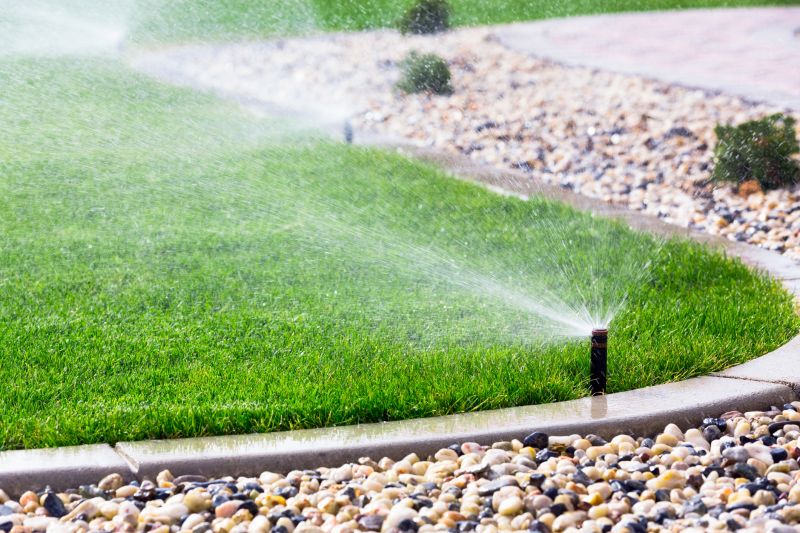
Ensuring proper flow and coverage.
| Season | Ideal for Installation |
|---|---|
| Spring | Yes |
| Summer | Limited, unless urgent |
| Fall | Yes |
| Winter | No |
Timing of yard watering system installation impacts efficiency and longevity. Spring and fall are generally preferred due to moderate weather conditions, which facilitate easier setup and testing. Summer installations are possible but require additional considerations for heat management. Winter installations are typically avoided because of frozen ground and cold temperatures, which can hinder installation processes and damage equipment.
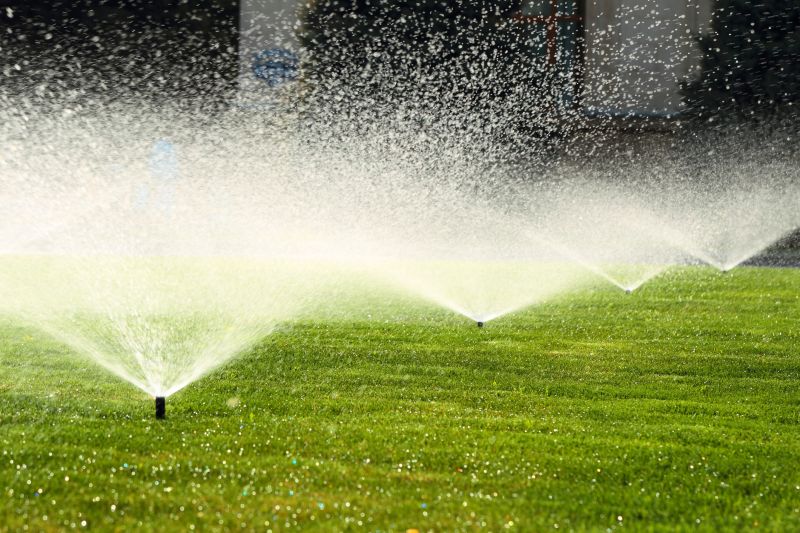
Ensures proper water distribution and coverage.
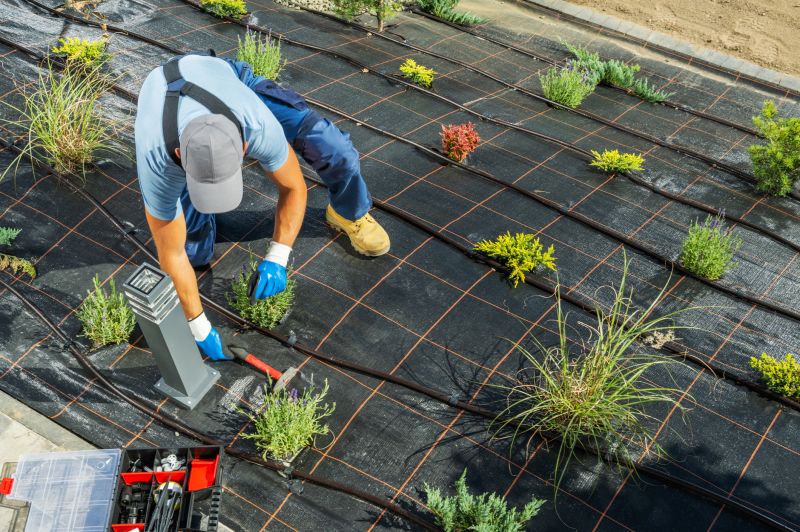
Critical for effective installation and system performance.
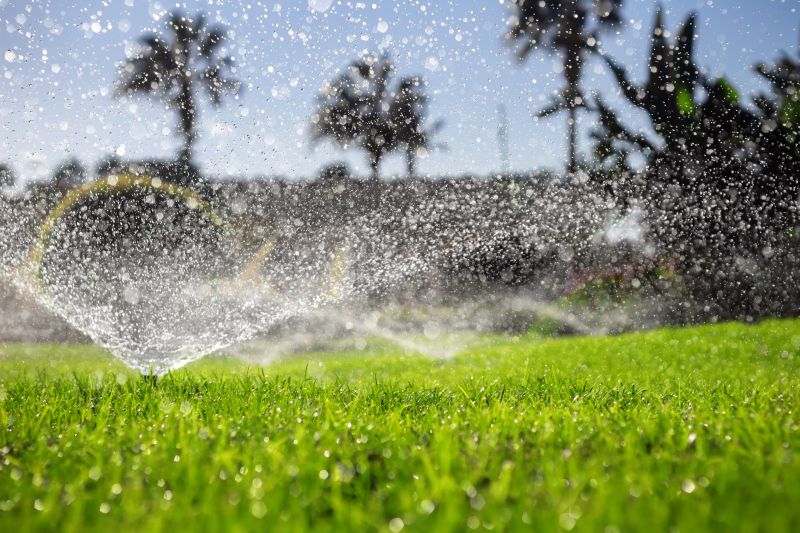
Identifies optimal sprinkler placement.
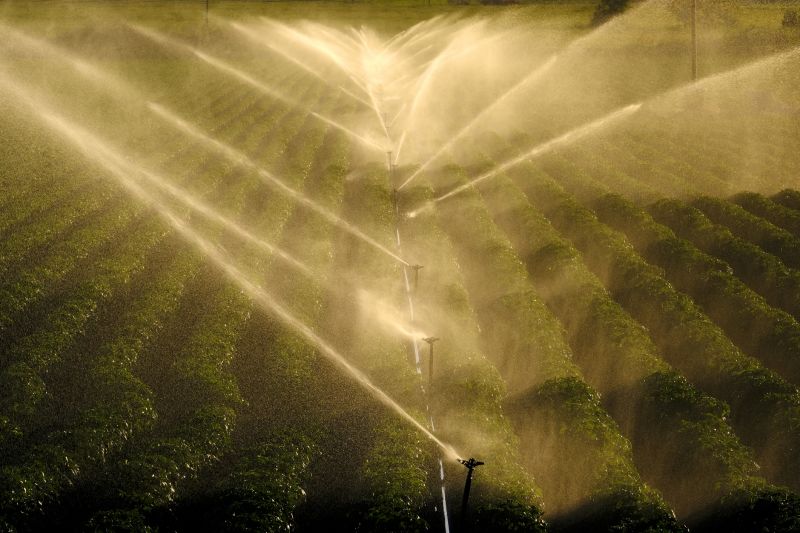
Aligns installation with weather patterns.
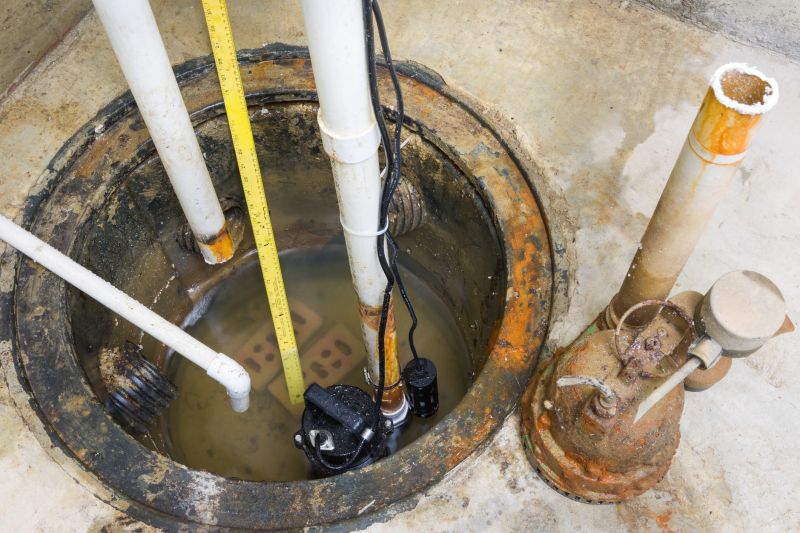
Little measurements that prevent headaches on Yard Watering Installations day.
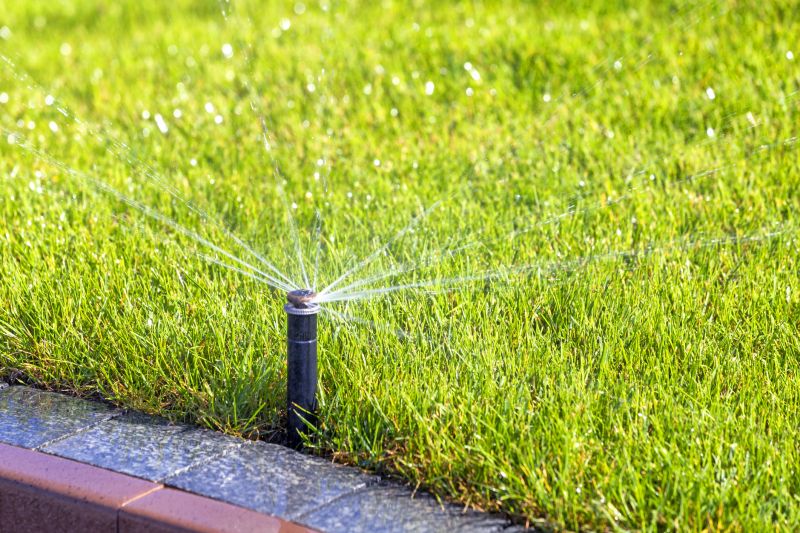
A 60-second routine that keeps Yard Watering Installations looking new.
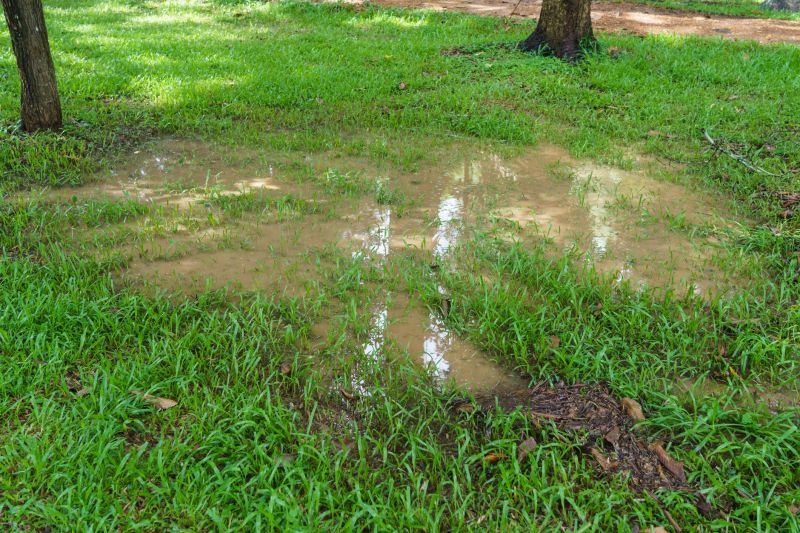
A frequent mistake in Yard Watering Installations and how to dodge it.
Small tweaks to make Yard Watering Installations safer and easier to use.
Interested in yard watering installations? Filling out the contact form can provide additional information and schedule a consultation to determine the best timing for specific landscape needs.